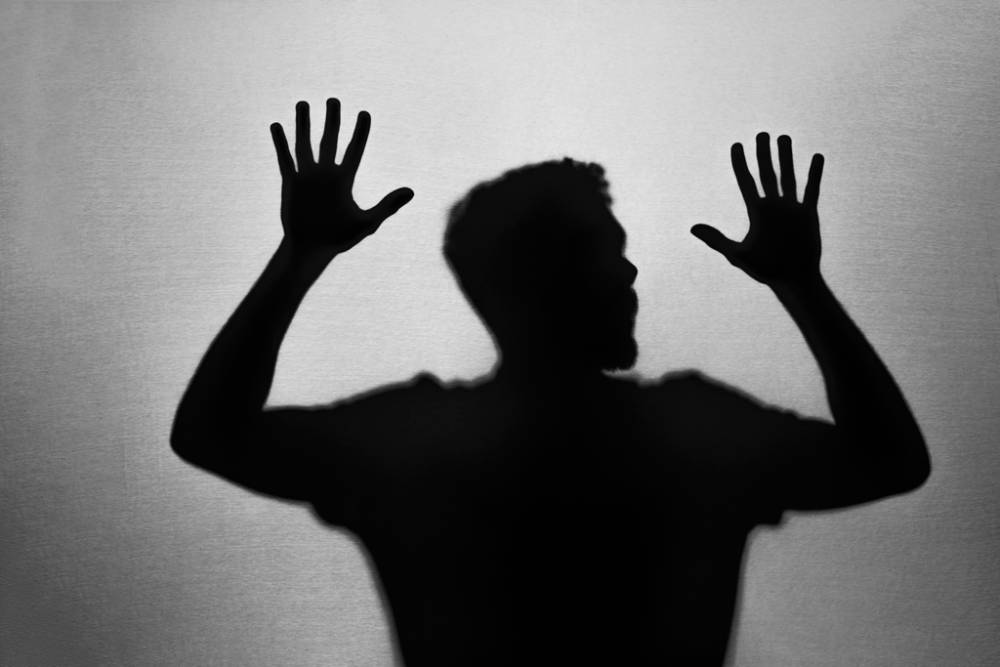
Its dark out, and you’re home alone. The house is quiet and you are trying to sleep then suddenly you hear a sound of door slammed.
Your breathing speeds up. Your heat races. Your Skin sweats. Your muscles tighten.
Then you realize that it’s just wind and it turns off all the reactions. All this happens in split seconds. In just a split second, you were ready for fight-or-flight in response to danger for survival or to avoid injury.
What is Fear?
Fear is one of the most basic human emotions. Fear is a vital response to physical, emotional, or psychological, real or imagined danger. Fear works like a survival instincts necessary to respond when we sense danger or feel unsafe. If we didn’t feel fear, we couldn’t alert to danger and prepare us to deal with it and protect ourselves from threats.
Some people consider fear as an unpleasant emotion, but some go out of their way to trigger it, such as by jumping out of airplanes or watching scary movies.
Feeling afraid is an unavoidable fact which is very natural and helpful. Fear is like a waring, a signal that alert us to be careful.
Like emotions, fear can be mild, medium, or intense depending on the situation and the person. It can be brief or can last longer.
Why do we Fear?
In all the living creatures, the purpose of fear is to promote survival. If we couldn’t be afraid, we wouldn’t survive for long. We’d be walking carelessly on the road, stepping off rooftops and carelessly handling poisonous and dangerous animals.
As far as evolution is concerned, we can thank fear for our success as a species. Any creatures that doesn’t run, hide and find solutions for dangerous situations is likely to be removed or extinct.
In the course of evolution, the creature who feared the right things survived to pass on their genes.
How Fear Works?
Fear is a chain reaction in brain that starts in the brain and spreads through the body with the release of chemicals that cause a racing heart, fast breathing and energized muscles and also to make adjustments for the best defense, or flight reaction.
This response is known as “Fight-or-Flight” reactions. It is so called because that is what the body is preparing itself to do, either to fight the danger or run away. The body remains in this state until we feel secure.
Symptoms
Each person may experience fear differently, but some of the common signs and symptoms include:
- Shortness of breath
- Sweating
- Trembling
- Rapid heartbeat
- Dry mouth
- Nausea (vomit)
- Upset stomach
- Headache
In addition to the physical symptoms of fear, some psychological symptoms are feeling out of control, upset or a sense of impending death.
Causes
Fear is complex emotion induced by danger or threat. Some fears may be a result of experiences or trauma, while other may represent a fear of something else entirely, such as a loss of control.
Some fears may occur because of physical symptoms, such as being afraid of height because that make you feel dizzy and sick.
Some common fear triggers:
- Darkness or loss of visibility of surroundings
- Heights and flying
- Death and dying
- Snakes, lions, spiders, dogs and other animals
- Imagined events
Phobias
Phobia is an intense fear reaction to a particular thing or a situation. With a phobia, the fear is more than just fear, it is danger. The person with phobia feels the danger real.
A phobia is a twisted and dangerous than the normal fear response. The fear is directed toward a situation or object that does not present a real danger. Though you recognize fear is unreasonable or harmless, you can’t help the reaction because the fear is so very strong.
Having a phobia isn’t a sign of weakness or immaturity. It’s a response that the brain has learned in attempt to protect the person. Phobias is like triggering a false alarm, generating intense fear or danger than it actually is.
One can overcome phobia by gradually facing their fears and getting helps of a therapist to guide them.
Common Fears
According to recent research, the top 10 list of common fears goes like this:
1. Terrorist attacks
2. Spiders
3. Death
4. Failure
5. War
6. Heights
7. Crime/Violence
8. Being alone
9. The future
10. Nuclear war
Other common fears includes public speaking, pain, snakes, cancer, going to dentist and future etc.
Treatments
Repeated exposure to similar situation can help to reduce fear. But sometime it may be dangerous. It is best to consult with doctors, psychiatrist or psychologist about your problem. Some of useful tips and trick to overcome fear are
- Physical activity and exercise
- Relaxation techniques, such as deep breathing or yoga
- Taking care of yourself. Get enough rest and try to be physically active everyday
- Avoid unhygienic behavior
- Talk openly about fears to you family and friends
- Healthy diet and nutrition food
- Therapy helps to reduce fear and anxiety
One can overcome Fear by gradually facing their fears and getting helps of a doctors/therapist/ psychiatrist to guide them. The hardest part of overcoming fear or phobias is getting started. Once you decide to go for it, with right support and coaching you can learn to control and get rid of the fear.